
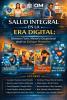
Salud Integral en la Era Digital: Bienestar Físico, Mental y Ocupacional desde un Enfoque Preventivo
Palabras clave:
salud digital, bienestar integral, prevención ocupacional, estrés tecnológico, gobernanza digital, burnout digital, ergonomía digital, humanización tecnológicaSinopsis
La acelerada transformación digital ha redefinido los determinantes contemporáneos de la salud, configurando un entorno donde bienestar físico, equilibrio mental y sostenibilidad ocupacional se encuentran profundamente interconectados. Este libro analiza la salud integral en la era digital desde un enfoque preventivo e interdisciplinario, integrando evidencia científica reciente sobre riesgos ergonómicos, sobrecarga informacional, estrés tecnológico, fatiga decisional, burnout digital y nuevas dinámicas laborales derivadas del trabajo remoto e híbrido. Se examinan los impactos neurobiológicos, psicosociales y organizacionales asociados a la hiperconectividad, así como los desafíos éticos vinculados a la gobernanza digital, la seguridad de la información sanitaria y la humanización tecnológica. La obra propone modelos de intervención basados en gestión de riesgos, métricas de bienestar, alfabetización emocional digital y liderazgo organizacional consciente, con énfasis en la prevención como estrategia costo-efectiva y socialmente sostenible. Más que un diagnóstico de vulnerabilidades emergentes, el texto constituye una propuesta estructurada para rediseñar ecosistemas digitales orientados a la protección de la dignidad humana, promoviendo una cultura institucional donde la innovación tecnológica se articule con responsabilidad clínica, ética y organizacional.
Descargas
Los datos de descarga aún no están disponibles.
Referencias
Ahmadvand, A., Gatchel, R., Brownstein, J., y Nissen, L. (2018). The Biopsychosocial-Digital Approach to Health and Disease: Call for a Paradigm Expansion. Journal of Medical Internet Research, 20(5), e189. https://doi.org/10.2196/jmir.9732
Ahmed, M. M., Okesanya, O. J., Oweidat, M., Othman, Z. K., Musa, S. S., y Lucero-Prisno III, D. E. (2025). The ethics of data mining in healthcare: Challenges, frameworks, and future directions. BioData Mining, 18, 47. https://doi.org/10.1186/s13040-025-00461-w
Alarcón Belmonte, I., Jiménez Lozano, A. I., Sánchez Collado, C., Forero Chaves, V., Cabrera Majada, A., y García-Gutiérrez Gómez, R. (2025). Abordaje de los determinantes digitales de salud: Principales ventajas y retos de la salud digital en el mundo actual. Atención Primaria, 57(10), 103311. https://doi.org/10.1016/j.aprim.2025.103311
Albiol-Perarnau, M., y Alarcón-Belmonte, I. (2024). Blockchain en salud: Transformando la seguridad y la gestión de datos clínicos. Atención Primaria, 56(5), 102848. https://doi.org/10.1016/j.aprim.2023.102848
Albújar-Verona, C. E., Celis-Castillo, D. J., Rojas-Sánchez, E. A., y Medina-Cardozo, I. I. (2022). Plataformas digitales y los indicadores en el sistema de gestión de seguridad y salud en el trabajo: Una revisión sistemática. DYNA: revista de la Facultad de Minas. Universidad Nacional de Colombia. Sede Medellín, 89(224), 165–172. https://doi.org/10.15446/dyna.v89n224.103170
Albújar-Verona, C. E., Joaquina-Celis Castillo, D., Rojas-Sánchez, E. A., y Medina-Cardozo, I. I. (2022). Digital platforms and indicators in the occupational safety and health management system: A systematic review. DYNA, 89(224), 165–172. https://doi.org/10.15446/dyna.v89n224.103170
Alcántara-Moreno, G. (2008). La definición de salud de la Organización Mundial de la Salud y la interdisciplinariedad. Sapiens. Revista Universitaria de Investigación, 9(1), 93–107.
Alegre, V., Álvarez, M. Y., Bianchini, A., Buedo, P., Campi, N., Cristina, M., Revaz, M. D. H., Larrán, S., Damonte, V. M., Massaro, L. A., Gil, A. M., Morante, M. C., Moreira, G., Díaz, G. M., Sabio, M. F., Sipitria, R., y Luna, F. (2024a). Salud digital en América Latina: Legislación actual y aspectos éticos. Revista Panamericana de Salud Pública, 48, e40. https://doi.org/10.26633/RPSP.2024.40
Alegre, V., Álvarez, M. Y., Bianchini, A., Buedo, P., Campi, N., Cristina, M., Revaz, M. D. H., Larrán, S., Damonte, V. M., Massaro, L. A., Gil, A. M., Morante, M. C., Moreira, G., Díaz, G. M., Sabio, M. F., Sipitria, R., y Luna, F. (2024b). Salud digital en América Latina: Legislación actual y aspectos éticos. Revista Panamericana de Salud Pública, 48, e40. https://doi.org/10.26633/RPSP.2024.40
Al-Nafjan, A., Aljuhani, A., Alshebel, A., Alharbi, A., y Alshehri, A. (2025). Artificial Intelligence in Predictive Healthcare: A Systematic Review. Journal of Clinical Medicine, 14(19), 6752. https://doi.org/10.3390/jcm14196752
Álvarez, A. (2025). Telemedicina en Reumatología: Revisión de su implementación en Chile. Revista Chilena de Reumatología, 41(2), 32–37. https://doi.org/10.58450/rcr.v41i2.144
Angioletti, L., y Fronda, G. (2025). Neuroscientific protocols for the assessment and management of physiological responses to digital technostress. Social Neuroscience, 20(3), 147–153. https://doi.org/10.1080/17470919.2024.2369290
Arnold, M., Goldschmitt, M., y Rigotti, T. (2023). Dealing with information overload: A comprehensive review. Frontiers in Psychology, 14, 1122200. https://doi.org/10.3389/fpsyg.2023.1122200
Arslanoğlu, A., İbrahimoğlu, Ö., Mersin, S., Ergül, S., y Yavuz, A. E. (2025). Burnout in healthcare workers: The effect of stress of conscience. Journal of Evaluation in Clinical Practice, 31(2), e14148. https://doi.org/10.1111/jep.14148
Asan, O., Bayrak, A. E., y Choudhury, A. (2020). Artificial Intelligence and Human Trust in Healthcare: Focus on Clinicians. Journal of Medical Internet Research, 22(6), e15154. https://doi.org/10.2196/15154
Asgari, E., Kaur, J., Nuredini, G., Balloch, J., Taylor, A. M., Sebire, N., Robinson, R., Peters, C., Sridharan, S., y Pimenta, D. (2024). Impact of Electronic Health Record Use on Cognitive Load and Burnout Among Clinicians: Narrative Review. JMIR Medical Informatics, 12, e55499. https://doi.org/10.2196/55499
Ávila-Coello, A. A. (2024). Seguridad de la información en instituciones públicas: Desafíos y buenas prácticas en el contexto ecuatoriano. Journal of Economic and Social Science Research, 4(2), 140–156. https://doi.org/10.55813/gaea/jessr/v4/n2/96
Ayaz, M., Pasha, M. F., Alzahrani, M. Y., Budiarto, R., y Stiawan, D. (2021). The Fast Health Interoperability Resources (FHIR) Standard: Systematic Literature Review of Implementations, Applications, Challenges and Opportunities. JMIR Medical Informatics, 9(7), e21929. https://doi.org/10.2196/21929
Bakker, A. B., y Demerouti, E. (2017). Job demands-resources theory: Taking stock and looking forward. Journal of Occupational Health Psychology, 22(3), 273–285. https://doi.org/10.1037/ocp0000056
Beaunoyer, E., Dupéré, S., y Guitton, M. J. (2020). COVID-19 and digital inequalities: Reciprocal impacts and mitigation strategies. Computers in Human Behavior, 111, 106424. https://doi.org/10.1016/j.chb.2020.106424
Bedoya-Marrugo, E. A., Meza-Alemán, M. de J., Osorio-Giraldo, I., y Castaño-Osorio, B. (2024). Riesgos tecnológicos en una ciudad del Caribe Colombiano. Revista gestión de las personas y tecnología, 17(51), 37–59. https://doi.org/10.35588/r3n27j78
Béjar-Tinoco, V., Madrigal-Moreno, F., y Madrigal-Moreno, S. (2025). Factores que inciden en el ausentismo laboral y su impacto económico en las organizaciones. Latam: revista latinoamericana de Ciencias Sociales y Humanidades, 6(1), 11. https://doi.org/10.56712/latam.v6i1.3555
Beraún-Vásquez, H. R., y Castillo-Blanco, R. (2024). Compromiso laboral y estilos de liderazgo de los trabajadores de una empresa de prestación de salud. Apuntes de Ciencia & Sociedad, 12(1), 1–14.
Borrell-Carrió, F., Suchman, A. L., y Epstein, R. M. (2004). The Biopsychosocial Model 25 Years Later: Principles, Practice, and Scientific Inquiry. The Annals of Family Medicine, 2(6), 576–582. https://doi.org/10.1370/afm.245
Bottino, S. M. B., Bottino, C. M. C., Regina, C. G., Correia, A. V. L., y Ribeiro, W. S. (2015). Cyberbullying and adolescent mental health: Systematic review. Cadernos De Saude Publica, 31(3), 463–475. https://doi.org/10.1590/0102-311x00036114
Braveman, P., Egerter, S., y Williams, D. R. (2011). The Social Determinants of Health: Coming of Age. Annual Review of Public Health, 32(Volume 32, 2011), 381–398. https://doi.org/10.1146/annurev-publhealth-031210-101218
Braveman, P., y Gottlieb, L. (2014). The Social Determinants of Health: It’s Time to Consider the Causes of the Causes. Public Health Reports, 129(1_suppl2), 19–31. https://doi.org/10.1177/00333549141291S206
Calle-Morillo, A. D., Proaño-Reyes, G. M., y Castro-Sánchez, F. de J. (2025). Consentimiento informado y afectación al principio de confidencialidad. Noesis, 7(ESP2), 452–469. https://doi.org/10.35381/noesisin.v7i2.598
Cargua, R. G., y Gamboa-Chiriboga, M. J. (2023). Desafíos de Salud Digital Ecuador. JAIIO, Jornadas Argentinas de Informática, 9(5), 124–130.
Castaño-Castaño, S. (2025). La inteligencia artificial en Salud Pública: Oportunidades, retos éticos y perspectivas futuras. Revista Española de Salud Pública, 99, e202503017.
Cercado-Bajaña, M. M., Chinga-Carreño, G. P., y Soledispa-Rodríguez, X. E. (2021). Riesgos ergonómicos asociados al puesto de trabajo del personal administrativo. Revista Publicando, 8(32), 69–81.
Cheikh-Ismail, L., Osaili, T. M., Naja, F., Wartanian, M., Elkabat, G., Arnous, M., Alkoukou, H., Mohamad, M. N., Saleh, S. T., Al Daour, R., Masuadi, E., Ali, H. I., Stojanovska, L., y Al Dhaheri, A. S. (2024). The association of social media with dietary behaviors among adults in the United Arab Emirates. Heliyon, 10(15), e35574. https://doi.org/10.1016/j.heliyon.2024.e35574
Chen, Y., Lehmann, C. U., y Malin, B. (2024). Digital Information Ecosystems in Modern Care Coordination and Patient Care Pathways and the Challenges and Opportunities for AI Solutions. Journal of Medical Internet Research, 26, e60258. https://doi.org/10.2196/60258
Chim, J. M. Y., y Chen, T. L. (2023). Prediction of Work from Home and Musculoskeletal Discomfort: An Investigation of Ergonomic Factors in Work Arrangements and Home Workstation Setups Using the COVID-19 Experience. International Journal of Environmental Research and Public Health, 20(4), 3050. https://doi.org/10.3390/ijerph20043050
Chowdhury, B., Abid, M., Kumar, P., y Ramraika, D. (2025). Digital Eye Strain and Associated Risk Factors among Medical Science Students of North India. Indian Journal of Public Health, 69(3), 267–272. https://doi.org/10.4103/ijph.ijph_1233_23
Cohen, I. G., Evgeniou, T., Gerke, S., y Minssen, T. (2020). The European artificial intelligence strategy: Implications and challenges for digital health. The Lancet Digital Health, 2(7), e376–e379. https://doi.org/10.1016/S2589-7500(20)30112-6
Cruz-Ausejo, L., Copez-Lonzoy, A., Vilela-Estrada, A. L., Valverde, J. J., Bohórquez, M., y Moscoso-Porras, M. (2023). Can working at home be a hazard? Ergonomic factors associated with musculoskeletal disorders among teleworkers during the COVID-19 pandemic: a scoping review. International Journal of Occupational Safety and Ergonomics: JOSE, 29(4), 1335–1344. https://doi.org/10.1080/10803548.2022.2127246
Cruz-Martínez, G. A. (2025). Gobernanza y transformación digital en el sector salud. Innovare Revista de ciencia y tecnología, 14(1), 1–7. https://doi.org/10.69845/innovare.v14i1.480
Curichumbi, M. V. G., Quishpe, M. M. C., Álvarez, N. L. L., y Apugllon, V. L. A. (2025). Estrategias digitales para fomentar la inteligencia emocional en los niños. Ciencia Latina Revista Científica Multidisciplinar, 9(2), 5111–5122. https://doi.org/10.37811/cl_rcm.v9i2.17275
De Mello, B., Rigo, S. J., da Costa, C. A., da Rosa Righi, R., Donida, B., Bez, M. R., y Schunke, L. C. (2022). Semantic interoperability in health records standards: A systematic literature review. Health and Technology, 12(2), 255–272. https://doi.org/10.1007/s12553-022-00639-w
Derks, D., van Mierlo, H., y Schmitz, E. B. (2014). A diary study on work-related smartphone use, psychological detachment and exhaustion: Examining the role of the perceived segmentation norm. Journal of Occupational Health Psychology, 19(1), 74–84. https://doi.org/10.1037/a0035076
Dhingra, D., y Dabas, A. (2020). Global Strategy on Digital Health. Indian Pediatrics, 57(4), 356–358. https://doi.org/10.1007/s13312-020-1789-7
Ding, K., Shen, Y., Liu, Q., y Li, H. (2023). The Effects of Digital Addiction on Brain Function and Structure of Children and Adolescents: A Scoping Review. Healthcare, 12(1), 15. https://doi.org/10.3390/healthcare12010015
El Kadri-Filho, F., y Roberto-de Lucca, S. (2022). Telework Conditions, Ergonomic and Psychosocial Risks, and Musculoskeletal Problems in the COVID-19 Pandemic. Journal of Occupational and Environmental Medicine, 64(12), e811–e817. https://doi.org/10.1097/JOM.0000000000002704
Erku, D., Khatri, R., Endalamaw, A., Wolka, E., Nigatu, F., Zewdie, A., y Assefa, Y. (2023). Digital Health Interventions to Improve Access to and Quality of Primary Health Care Services: A Scoping Review. International Journal of Environmental Research and Public Health, 20(19), 6854. https://doi.org/10.3390/ijerph20196854
Esteva, A., Kuprel, B., Novoa, R. A., Ko, J., Swetter, S. M., Blau, H. M., y Thrun, S. (2017). Dermatologist-level classification of skin cancer with deep neural networks. Nature, 542(7639), 115–118. https://doi.org/10.1038/nature21056
Farias, M. A., Badino, M., Marti, M., Báscolo, E., García Saisó, S., y D’Agostino, M. (2023). La transformación digital como estrategia para el fortalecimiento de las funciones esenciales de salud pública en las Américas. Revista Panamericana de Salud Pública, 47, e150. https://doi.org/10.26633/RPSP.2023.150
Fernández, S. O. (2024). La brecha digital como factor determinante en la desigualdad y el crecimiento económico. European Public & Social Innovation Review, 9, 1–17. https://doi.org/10.31637/epsir-2024-952
Figueiredo, E., Margaça, C., Hernández-Sánchez, B., y Sánchez-García, J. C. (2024). Teleworking Effects on Mental Health—A Systematic Review and a Research Agenda. International Journal of Environmental Research and Public Health, 21(3), 243. https://doi.org/10.3390/ijerph21030243
Figueiredo, E., Margaça, C., y Sánchez-García, J. C. (2025). Loneliness and Isolation in the Era of Telework: A Comprehensive Review of Challenges for Organizational Success. Healthcare, 13(16), 1943. https://doi.org/10.3390/healthcare13161943
Forero, A. Y., Morales, G. E., y Forero, L. C. (2023). Relación entre actividad física, sedentarismo y obesidad en adultos, Colombia, 2015. Biomédica, 43(Suppl 3), 99–109. https://doi.org/10.7705/biomedica.7014
Gagnon, M.-P., Ouellet, S., Attisso, E., Supper, W., Amil, S., Rhéaume, C., Paquette, J.-S., Chabot, C., Laferrière, M.-C., y Sasseville, M. (2024). Wearable Devices for Supporting Chronic Disease Self-Management: Scoping Review. Interactive Journal of Medical Research, 13(1), e55925. https://doi.org/10.2196/55925
Gamero, N., González-Anta, B., Orengo, V., Zornoza, A., y Peñarroja, V. (2021). Is Team Emotional Composition Essential for Virtual Team Members’ Well-Being? The Role of a Team Emotional Management Intervention. International Journal of Environmental Research and Public Health, 18(9), 4544. https://doi.org/10.3390/ijerph18094544
García-Cuyás, F., San Pedro, M. de, y Martínez-Roldan, J. (2015). La salud digital como motor de cambio hacia nuevos modelos asistenciales y de relación entre los pacientes y los profesionales de la salud. La disrupción de los procesos asistenciales. Medicina Clínica, Salud en todas las políticas, 145, 38–42. https://doi.org/10.1016/S0025-7753(15)30037-3
García-Uribe, J. C., Bedoya, O. A., y Arteaga, A. (2024). La técnica y la tecnología no son culpables de la deshumanización del cuidado de enfermería. Index de Enfermería, 33(3). https://doi.org/10.58807/indexenferm20246883
Gençer-Bingöl, F., Çakmak, Ö. N., Bayrak, R., y Doğan, S. (2025). Digital interventions in nutrition education: A web-based model for promoting sustainable nutrition among young adults. BMC Public Health, 25(1), 3946. https://doi.org/10.1186/s12889-025-25154-1
Gómez-Domínguez, A., Ferrer-Rosende, P., Esteve-Matalí, L., Llorens-Serrano, C., Salas-Nicás, S., y Navarro-Giné, A. (2024). Comparing Exposure to Psychosocial Risks: Face-to-Face Work vs. Telework. La Medicina del Lavoro, 115(3), e2024020. https://doi.org/10.23749/mdl.v115i3.15265
González-Pascual, M., Pérez-Ferreiro, M., Rodríguez de Castro, S., Cerro-González, M. D. C., y Recio-Vivas, A. M. (2025). Occupational Stress in Healthcare Professionals in Spain: A Multicenter Study. Hispanic Health Care International: The Official Journal of the National Association of Hispanic Nurses, 23(2), 102–106. https://doi.org/10.1177/15404153241269512
Gotsadze, G., Zoidze, A., Gabunia, T., y Chin, B. (2024). Advancing governance for digital transformation in health: Insights from Georgia’s experience. BMJ Global Health, 9(10), e015589. https://doi.org/10.1136/bmjgh-2024-015589
Grignoli, N., Manoni, G., Gianini, J., Schulz, P., Gabutti, L., y Petrocchi, S. (2025). Clinical decision fatigue: A systematic and scoping review with meta-synthesis. Family Medicine and Community Health, 13(1), e003033. https://doi.org/10.1136/fmch-2024-003033
Grobelny, J. (2023). Factors Driving the Workplace Well-Being of Individuals from Co-Located, Hybrid, and Virtual Teams: The Role of Team Type as an Environmental Factor in the Job Demand–Resources Model. International Journal of Environmental Research and Public Health, 20(4), 3685. https://doi.org/10.3390/ijerph20043685
Grosman-Rimon, L., y Wegier, P. (2024a). With advancement in health technology comes great responsibility – Ethical and safety considerations for using digital health technology: A narrative review. Medicine, 103(33), e39136. https://doi.org/10.1097/MD.0000000000039136
Grosman-Rimon, L., y Wegier, P. (2024b). With advancement in health technology comes great responsibility - Ethical and safety considerations for using digital health technology: A narrative review. Medicine, 103(33), e39136. https://doi.org/10.1097/MD.0000000000039136
Guachi-Caiza, G., Jimenez-Barrera, M., Monar-Zambrano, M., y López-Ramos, A. (2025). Humanización en el cuidado crítico: Más allá de la tecnología. Revista Científica de Salud BIOSANA, 5(2), 288–299. https://doi.org/10.62305/biosana.v5i2.544
Gutierrez-Quiceno, B., Sotelo, J., y Rodriguez, M. (2025). [Digitalization and access as a means of responding to health care practices: From Adolescence to Old Age]. Revista De La Facultad De Ciencias Medicas, 82(3), 686–695. https://doi.org/10.31053/1853.0605.v82.n3.49123
Hong, Q. N., Li, J., Kersalé, M., Dieterlen, E., Mares, A., Ahmadian Sangkar, Z., Paquet, V., Lederer, V., Laberge, M., y Coutu, M.-F. (2025). Work Disability and Musculoskeletal Disorders Among Teleworkers: A Scoping Review. Journal of Occupational Rehabilitation, 35(1), 17–29. https://doi.org/10.1007/s10926-024-10184-0
Ibrahim, R. K., Khaled, M., Almansoori, M., Almazrouei, M., Ashraf, A., Alahmedi, S. H., y Hendy, A. (2025). Screen time and stress: Understanding how digital burnout influences health among nursing students. BMC Nursing, 24(1), 990. https://doi.org/10.1186/s12912-025-03621-9
Ilkic, J., Milovanovic, M., y Marinkovic, V. (2024). Prospective systematic risk analysis of the digital technology use within pharmaceutical care. Journal of the American Pharmacists Association: JAPhA, 64(4), 102081. https://doi.org/10.1016/j.japh.2024.102081
International Bank for Reconstruction and Development. (2024). Digital Progress and Trends Report 2023. The World Bank. https://doi.org/10.1596/978-1-4648-2049-6
Iwakura, M., Ozeki, C., Jung, S., Yamazaki, T., Miki, T., Nohara, M., y Nomura, K. (2025). An umbrella review of efficacy of digital health interventions for workers. Npj Digital Medicine, 8(1), 207. https://doi.org/10.1038/s41746-025-01578-2
Jaidi, F., Ksibi, S., y Bouhoula, A. (2025). An Internet of Medical Things Cyber Security Assessment Model (IoMT-CySAM). Cureus, 17(10), e94639. https://doi.org/10.7759/cureus.94639
Jingjie, W., Yang, L., Jing, Y., Ran, L., Yiqing, X., y Zhou, N. (2022). Sedentary time and its association with risk of cardiovascular diseases in adults: An updated systematic review and meta-analysis of observational studies. BMC Public Health, 22, 286. https://doi.org/10.1186/s12889-022-12728-6
Kang, C., y Sarkar, I. N. (2024). Interventions to Reduce Electronic Health Record-Related Burnout: A Systematic Review. Applied Clinical Informatics, 15(1), 10–25. https://doi.org/10.1055/a-2203-3787
Keadle, S. K., Conroy, D. E., Buman, M. P., Dunstan, D. W., y Matthews, C. E. (2017). Targeting Reductions in Sitting Time to Increase Physical Activity and Improve Health. Medicine and science in sports and exercise, 49(8), 1572–1582. https://doi.org/10.1249/MSS.0000000000001257
Keles, B., McCrae, N., y Grealish, A. (2020). A systematic review: The influence of social media on depression, anxiety and psychological distress in adolescents. International Journal of Adolescence and Youth, 25(1), 79–93. https://doi.org/10.1080/02673843.2019.1590851
Khadka, S., Limbu, A., Chalise, A., Pandey, S., y Paudel, S. (2024). Cyberbullying victimisation and its association with depression, anxiety and stress among female adolescents in Deumai Municipality, Nepal: A cross-sectional survey. BMJ Open, 14(10), e081797. https://doi.org/10.1136/bmjopen-2023-081797
Khairat, S., Morelli, J., Boynton, M. H., Bice, T., Gold, J. A., y Carson, S. S. (2025). Investigation of Information Overload in Electronic Health Records: Protocol for Usability Study. JMIR Research Protocols, 14, e66127. https://doi.org/10.2196/66127
Kickbusch, I., Piselli, D., Agrawal, A., Balicer, R., Banner, O., Adelhardt, M., Capobianco, E., Fabian, C., Gill, A. S., Lupton, D., Medhora, R. P., Ndili, N., Ryś, A., Sambuli, N., Settle, D., Swaminathan, S., Morales, J. V., Wolpert, M., Wyckoff, A. W., … Wong, B. L. H. (2021). The Lancet and Financial Times Commission on governing health futures 2030: Growing up in a digital world. The Lancet, 398(10312), 1727–1776. https://doi.org/10.1016/S0140-6736(21)01824-9
Kuhn, E., Saleem, M., Klein, T., Köhler, C., Fuhr, D. C., Lahutina, S., Minarik, A., Musesengwa, R., Neubauer, K., Olisaeloka, L., Osei, F., Reinhold, A. S., Singh, I., Spanhel, K., Thomas, N., Hendl, T., Kellmeyer, P., y Böge, K. (2024). Interdisciplinary perspectives on digital technologies for global mental health. PLOS Global Public Health, 4(2), e0002867. https://doi.org/10.1371/journal.pgph.0002867
Kwee, A., Teo, Z. L., y Ting, D. S. W. (2022). Digital health in medicine: Important considerations in evaluating health economic analysis. The Lancet Regional Health – Western Pacific, 23. https://doi.org/10.1016/j.lanwpc.2022.100476
Lalonde, M. (1981). A new perspective on the health of Canadians: A working document. Government of Canada. https://www.phac-aspc.gc.ca/ph-sp/pdf/perspect-eng.pdf
Lamadred-Martínez, A., Fernández-Castillo, E., y Junier-Benavides, Y. (2025). Alfabetización digital en la evaluación de efectividad del programa “Conecta Consciente” en estudiantes universitarios cubanos. Chasqui. Revista Latinoamericana de Comunicación, (159). https://doi.org/10.16921/chasqui.v1i159.5164
Landivar, M., Morales, G., Vásquez, J., y Olmedo, C. (2025). Relación entre el uso intensivo de la tecnología y la fatiga cognitiva en estudiantes universitarios: Intensive use of technology and cognitive fatigue in university students. Revista Multidisciplinar de Estudios Generales, 4(4), 2850–2861. https://doi.org/10.70577/reg.v4i4.428
López, E. (2024). Humanización del Cuidado en la Era Tecnológica. SALUD, ARTE Y CUIDADOS. Revista Venezolana de Enfermeria & Ciencias de la Salud, 17(Especial), 9–10. (Iberoamericano). https://doi.org/10.5281/zenodo.12768722
Macrynikola, N., Chang, S., y Torous, J. (2025). Emotion Regulation Self-Efficacy as a Mechanism of Alliance and Outcomes in a Brief, Transdiagnostic Digital Mental Health Intervention: L’auto-efficacité de la régulation des émotions en tant que mécanisme d’alliance et de résultats dans une brève intervention transdiagnostique numérique en santé mentale. Canadian Journal of Psychiatry. Revue Canadienne De Psychiatrie, 70(11), 824–833. https://doi.org/10.1177/07067437241274201
Madero-Gómez, S., y Vásquez-Rivera, O. I. (2025). El Futuro del Trabajo y sus Implicaciones en el Talento. Investigación administrativa, 54(135). https://doi.org/10.35426/iav54n135.05
Maid, J., y Dorigo, A. (2025). Impacto neurobiológico de la IA y sus implicancias sociológicas en las relaciones afectivas y sociales. JAIIO, Jornadas Argentinas de Informática, 11(12), 71–84.
Manzano-Tulman, G. P., Naranjo-Guayasamin, E. M., Espinoza-Manzano, J. E., Naranjo-Guayasamin, A. B., y Naranjo-Guayasamin, P. E. (2024). Impacto de Programas Digitales de Educación Emocional en el Desarrollo de Resiliencia en Niños de Comunidades Vulnerables. Ciencia Latina Revista Científica Multidisciplinar, 8(5), 12703–12714. https://doi.org/10.37811/cl_rcm.v8i5.14722
Mariano, B. (2020). Towards a global strategy on digital health. Bulletin of the World Health Organization, 98(4), 231-231A. https://doi.org/10.2471/BLT.20.253955
Marmot, M., Allen, J., Boyce, T., Goldblatt, P., y Morrison, J. (2020). Health equity in England: The Marmot review 10 years on. Institute of Health Equity. https://www.health.org.uk/sites/default/files/upload/publications/2020/Health%20Equity%20in%20England_The%20Marmot%20Review%2010%20Years%20On_full%20report.pdf
Masters, R., Anwar, E., Collins, B., Cookson, R., y Capewell, S. (2017). Return on investment of public health interventions: A systematic review. J Epidemiol Community Health, 71(8), 827–834. https://doi.org/10.1136/jech-2016-208141
McCauley, E. J. (2021). The role of stress and absence: How household member incarceration is associated with risky sexual health behaviors. Social Science & Medicine, 272, 113718. https://doi.org/10.1016/j.socscimed.2021.113718
Melguizo-Jiménez, M., y Moratalla-López, E. (2022). Ética de las nuevas tecnologías de información y comunicación. Confidencialidad y TIC. FMC - Formación Médica Continuada en Atención Primaria, Nuevas tecnología en la organización de la consulta, 29(3, Supplement 1), 39–45. https://doi.org/10.1016/j.fmc.2022.03.005
Menéndez-Menéndez, A. S., Pesantes-Pincay, A. G., Fienco-Sumba, J. Y., y Pionce-Toala, A. (2026). Transformación digital en la administración de servicios de salud pública: Revisión de tecnologías disruptivas y su impacto organizacional. Revista Científica Arbitrada en Investigaciones de la Salud GESTAR. ISSN: 2737-6273., 9(17), 79–96.
Meng, S.-Q., Cheng, J.-L., Li, Y.-Y., Yang, X.-Q., Zheng, J.-W., Chang, X.-W., Shi, Y., Chen, Y., Lu, L., Sun, Y., Bao, Y.-P., y Shi, J. (2022). Global prevalence of digital addiction in general population: A systematic review and meta-analysis. Clinical Psychology Review, 92, 102128. https://doi.org/10.1016/j.cpr.2022.102128
Meskó, B., Hetényi, G., y Győrffy, Z. (2018). Will artificial intelligence solve the human resource crisis in healthcare? BMC Health Services Research, 18(1), 545. https://doi.org/10.1186/s12913-018-3359-4
Milaković, M., Koren, H., Bradvica-Kelava, K., Bubaš, M., Nakić, J., Jeličić, P., Bucić, L., Bekavac, B., Čvrljak, J., y Capak, M. (2023). Telework-related risk factors for musculoskeletal disorders. Frontiers in Public Health, 11, 1155745. https://doi.org/10.3389/fpubh.2023.1155745
Monereo-Moreno, I., y Moreno-Vida, M. de las N. (2022). La e-salud. Hacia la medicina 5P: Medicina personalizada, precisa, preventiva, predictiva y participativa. https://digibug.ugr.es/handle/10481/98594
Monteros, M. (2023). Protección de datos mediante el uso de técnicas de criptografía para garantizar la confidencialidad. ATENAS Revista Científica Técnica y Tecnológica, 2(1). https://doi.org/10.36500/atenas.2.003
Montoya-Arenas, D. A., Bahamonde-Olaya, S., Jaramillo-Ramirez, S., Saldarriaga-Gomez, J., Álvarez, L. M., y Isaza-Valencia, L. (2025). Estrategias en telepsicología y telemedicina durante pandemia por covid 19. Revisión sistemática. Revista de psicología de la salud, 13(1), 134–151.
Morley, J., Machado, C. C. V., Burr, C., Cowls, J., Joshi, I., Taddeo, M., y Floridi, L. (2020). The ethics of AI in health care: A mapping review. Social Science & Medicine, 260, 113172. https://doi.org/10.1016/j.socscimed.2020.113172
Narainsamy, N., Akpa-Inyang, F. F., Onwubu, S. C., Govender, N., y Pillay, J. D. (2025). Ergonomic Challenges and Musculoskeletal Pain During Remote Working: A Study of Academic Staff at a Selected University in South Africa During the COVID-19 Pandemic. International Journal of Environmental Research and Public Health, 22(1), 79. https://doi.org/10.3390/ijerph22010079
Naslund, J. A., Bondre, A., Torous, J., y Aschbrenner, K. A. (2020). Social Media and Mental Health: Benefits, Risks, and Opportunities for Research and Practice. Journal of Technology in Behavioral Science, 5(3), 245–257. https://doi.org/10.1007/s41347-020-00134-x
Naylor, C., Canvin, S., Dunk, L., Gopaldasani, V., Liebenberg, A., Lux, G., Macfarlane, F., Panyam, S., Sharp, V., Thomas, A., Uru, E., y Whitelaw, J. L. (2025). What does good health look like? Development of leading occupational health performance indicators. Annals of Work Exposures and Health, 69(9), 904–916. https://doi.org/10.1093/annweh/wxaf050
Obermeyer, Z., Powers, B., Vogeli, C., y Mullainathan, S. (2019). Dissecting racial bias in an algorithm used to manage the health of populations. Science, 366(6464), 447–453. https://doi.org/10.1126/science.aax2342
Observatorio de Desarrollo Digital. (2023). Infraestructura digital complementaria en desarrollo. https://desarrollodigital.cepal.org/es/datos-y-hechos/infraestructura-digital-complementaria-en-desarrollo
Odgers, C. L., y Jensen, M. R. (2020). Annual Research Review: Adolescent mental health in the digital age: facts, fears, and future directions. Journal of Child Psychology and Psychiatry, 61(3), 336–348. https://doi.org/10.1111/jcpp.13190
Orben, A. (2020). Teenagers, screens and social media: A narrative review of reviews and key studies. Social Psychiatry and Psychiatric Epidemiology, 55(4), 407–414. https://doi.org/10.1007/s00127-019-01825-4
Organización Mundial para la Salud. (2023). Constitución de la OMS. https://www.who.int/es/about/governance/constitution
Ortega-Guevara, N. M., Suárez-Choez, E. M., Jumbo-Díaz, C., y Saldaña-Hurtado, A. (2025). Promoción de estilos de vida saludables desde la educación comunitaria en la Parroquia el Cambio. Conrado, 21(104). http://scielo.sld.cu/scielo.php?script=sci_abstract&pid=S1990-86442025000300042&lng=es&nrm=iso&tlng=es
Padilla-García, C. I., y Jiménez-Becerra, I. (2024). Mediación tecnológica y humanización del cuidado de enfermería: Revisión sistemática de literatura. Revista CUIDARTE, 15(2), 1. https://doi.org/10.15649/cuidarte.3537
Pérez-Campillo, L. (2022). La ética de los datos en las organizaciones e instituciones públicas y la gobernanza en el sector de la salud digital. Revista de privacidad y derecho digital, 7(25), 53–96.
Pignatiello, G. A., Martin, R. J., y Hickman, R. L. (2020). Decision fatigue: A conceptual analysis. Journal of Health Psychology, 25(1), 123–135. https://doi.org/10.1177/1359105318763510
Przybylko, G., Morton, D., Kent, L., Morton, J., Hinze, J., Beamish, P., y Renfrew, M. (2021). The effectiveness of an online interdisciplinary intervention for mental health promotion: A randomized controlled trial. BMC Psychology, 9, 77. https://doi.org/10.1186/s40359-021-00577-8
Pucker, A. D., Kerr, A. M., Sanderson, J., y Lievens, C. (2024). Digital Eye Strain: Updated Perspectives. Clinical Optometry, 16, 233–246. https://doi.org/10.2147/OPTO.S412382
Pula, G., Moretti, P., Ritacco, I., Caramanico, G., Filippis, G. D., Magnone, R., y Tortorella, A. (2025). OCCUPATIONAL STRESS AND ITS ASSOCIATION WITH AFFECTIVE DISORDERS IN HEALTHCARE WORKERS: A CROSS-SECTIONAL STUDY. Psychiatria Danubina, 37(Suppl 1), 385–390.
Ramakumar, V., Sharma, V., y Mishra, S. (2021). Left ventricular non-compaction. European Heart Journal, 42(24), 2398. https://doi.org/10.1093/eurheartj/ehab099
Ríos-Estrada, L. A. (2025). Salud digital (Primera). Conferencia Interamericana de Seguridad Social (CISS) - Comisiones Americanas de Seguridad Social (CASS). https://ciss-bienestar.org/wp-content/uploads/2025/11/salud-digital.pdf
Rodrigues, R. J., y Risk, A. (2003). eHealth in Latin America and the Caribbean: Development and Policy Issues. Journal of Medical Internet Research, 5(1), e4. https://doi.org/10.2196/jmir.5.1.e4
Rodrigues-Melo, G. L., Espírito-Santo, R., Mas-Clavel, E., Bosque-Prous, M., Koehler, K., Vidal-Alaball, J., van der Waerden, J., Gobiņa, I., López-Gil, J. F., Lima, R., y Agostinis-Sobrinho, C. (2025). Digital dietary interventions for healthy adolescents: A systematic review of behavior change techniques, engagement strategies, and adherence. Clinical Nutrition, 45, 176–192. https://doi.org/10.1016/j.clnu.2025.01.012
Rodríguez, J. B., y Bonilla, J. A. R. (2023). Ecosistemas Digitales. Necesidad en el Sector Salud. Científica, 27(1), 1–16. https://doi.org/10.46842/ipn.cien.v27n1a08
Rodríguez, K. N. P., Cevallos, I. N. Z., Pino, E. J. A., y Vélez, J. C. C. (2024). Impacto de la digitalización en la administración de servicios de salud. Polo del Conocimiento, 9(9), 3345–3360. https://doi.org/10.23857/pc.v9i9.8294
Roomi, S., Ullah, W., Ahmed, F., Farooq, S., Sadiq, U., Chohan, A., Jafar, M., Saddique, M., Khanal, S., Watson, R., y Boigon, M. (2020). Efficacy of Hydroxychloroquine and Tocilizumab in Patients With COVID-19: Single-Center Retrospective Chart Review. Journal of Medical Internet Research, 22(9), e21758. https://doi.org/10.2196/21758
Rouleau, G., Wu, K., Ramamoorthi, K., Boxall, C., Liu, R. H., Maloney, S., Zelmer, J., Scott, T., Larsen, D., Wijeysundera, H. C., Ziegler, D., Bhatia, S., Kishimoto, V., Steele Gray, C., y Desveaux, L. (2024). Mapping Theories, Models, and Frameworks to Evaluate Digital Health Interventions: Scoping Review. Journal of Medical Internet Research, 26, e51098. https://doi.org/10.2196/51098
Roveri, C. (2022). Inteligencia Artificial para el bienestar y una vida sana en Latinoamérica: Hacia un ecosistema de innovación responsable para la salud digital. Análisis Carolina, (21), 1.
Roy, T., Bertaux, A., Labbani Narsis, O., Didier, J.-P., y Laroche, D. (2025). Unified modeling language for patient-centered telerehabilitation: A comprehensive framework integrating medical and biopsychosocial pathways. International Journal of Medical Informatics, 199, 105882. https://doi.org/10.1016/j.ijmedinf.2025.105882
Sakai, K., Nakazawa, S., Furuya, Y., Fukai, K., Sano, K., y Tatemichi, M. (2026). Key Performance Indicators in Workplace Health Promotion: A Cross-sectional Text-Mining Study of Feedback Sheets From Government-Led Health and Productivity Management Initiatives in Japan. Journal of Occupational and Environmental Medicine, 68(1), e61–e68. https://doi.org/10.1097/JOM.0000000000003542
Saksena, N., Matthan, R., Bhan, A., y Balsari, S. (2021). Rebooting consent in the digital age: A governance framework for health data exchange. BMJ Global Health, 6(Suppl 5), e005057. https://doi.org/10.1136/bmjgh-2021-005057
Sánchez, M. (2025, septiembre 2). Estrés digital: Efecto de la hiperconectividad y el multitasking digital. Mente y Ciencia. https://www.menteyciencia.com/estres-digital-efecto-de-la-hiperconectividad-y-el-multitasking-digital/
Shanafelt, T. D., Hasan, O., Dyrbye, L. N., Sinsky, C., Satele, D., Sloan, J., y West, C. P. (2015). Changes in Burnout and Satisfaction With Work-Life Balance in Physicians and the General US Working Population Between 2011 and 2014. Mayo Clinic Proceedings, 90(12), 1600–1613. https://doi.org/10.1016/j.mayocp.2015.08.023
Shuaib, A., Arian, H., y Shuaib, A. (2020). The Increasing Role of Artificial Intelligence in Health Care: Will Robots Replace Doctors in the Future? International Journal of General Medicine, 13, 891–896. https://doi.org/10.2147/IJGM.S268093
Sina, E., Boakye, D., Christianson, L., Ahrens, W., y Hebestreit, A. (2022). Social Media and Children’s and Adolescents’ Diets: A Systematic Review of the Underlying Social and Physiological Mechanisms. Advances in Nutrition, 13(3), 913–937. https://doi.org/10.1093/advances/nmac018
Sjoblom, L., Stenbeck, F., Trolle Lagerros, Y., Hantikainen, E., y Bonn, S. E. (2025). Engagement With a Smartphone-Delivered Dietary Education Intervention and Its Relation to Dietary Intake and Cardiometabolic Risk Markers in People With Type 2 Diabetes: Secondary Analysis of a Randomized Controlled Trial. JMIR Formative Research, 9, e71408. https://doi.org/10.2196/71408
Solano-Segura, A. (2025, agosto 11). Transformación digital y gestión de recursos humanos: Impacto de la IA, la automatización y las tecnologías emergentes [Text]. (Costa Rica, América Latina). https://www.dostecnologiaynegocios.com/2025/08/transformacion-digital-y-gestion-de.html
Solar, O., y Irwin, A. (2010). A Conceptual Framework for Action on the Social Determinants of Health. WHO Document Production Services. http://hdl.handle.net/1903/23135
Tajodin, A. (2024). Gestión de la digitalización sanitaria bajo la Economía del Comportamiento: Prejuicios, obstáculos y barreras. Semestre Económico, 13(2), 96–109. https://doi.org/10.26867/se.2024.v13i2.176
Tan, T. F., Thirunavukarasu, A. J., Jin, L., Lim, J., Poh, S., Teo, Z. L., Ang, M., Chan, R. V. P., Ong, J., Turner, A., Karlström, J., Wong, T. Y., Stern, J., y Ting, D. S.-W. (2023). Artificial intelligence and digital health in global eye health: Opportunities and challenges. The Lancet Global Health, 11(9), e1432–e1443. https://doi.org/10.1016/S2214-109X(23)00323-6
Torres-Pérez, M. L., y Lesmes-Correa, J. N. (2024). Transformación digital en la educación médica: Desafíos, oportunidades y compromisos para el futuro. Biociencias (UNAD), 7(1), 7–17. https://doi.org/10.22490/26194759.8564
Troya-Santilán, B. N. (2025). Riesgos psicosociales derivados de la hiperexigencia digital en entornos laborales: Impacto en el bienestar emocional y la salud mental de trabajadores ecuatorianos. Educaf5-Berit, 1(01), 65–93. https://doi.org/10.5281/zenodo.18027863
Trujillo-Pons, F., y Fernández-Collados, M. B. (2023). Más allá de la oficina: Desafíos laborales emergentes en un mundo hiperconectado. En Más allá de la oficina: Desafíos laborales emergentes en un mundo hiperconectado. Aranzadi. https://producciocientifica.uv.es/documentos/65c52efc45e08409d53a9641
Vidal-Alaball, J., Alarcon Belmonte, I., Panadés Zafra, R., Escalé-Besa, A., Acezat Oliva, J., y Saperas Perez, C. (2023). Abordaje de la transformación digital en salud para reducir la brecha digital. Atención Primaria, 55(9), 102626. https://doi.org/10.1016/j.aprim.2023.102626
Villinger, K., Wahl, D. R., Boeing, H., Schupp, H. T., y Renner, B. (2019). The effectiveness of app‐based mobile interventions on nutrition behaviours and nutrition‐related health outcomes: A systematic review and meta‐analysis. Obesity Reviews, 20(10), 1465–1484. https://doi.org/10.1111/obr.12903
Vleeshouwers, J., Fløvik, L., Christensen, J. O., Johannessen, H. A., Bakke Finne, L., Mohr, B., Jørgensen, I. L., y Lunde, L.-K. (2022). The relationship between telework from home and the psychosocial work environment: A systematic review. International Archives of Occupational and Environmental Health, 95(10), 2025–2051. https://doi.org/10.1007/s00420-022-01901-4
Wade, D. T., y Halligan, P. W. (2017). The biopsychosocial model of illness: A model whose time has come. Clinical Rehabilitation, 31(8), 995–1004. https://doi.org/10.1177/0269215517709890
White, F. (2015). Primary Health Care and Public Health: Foundations of Universal Health Systems. Medical Principles and Practice, 24(2), 103–116. https://doi.org/10.1159/000370197
Williams, K. S., y Grannis, S. J. (2022). Patient-Centered Data Home: A Path Towards National Interoperability. Frontiers in Digital Health, 4, 887015. https://doi.org/10.3389/fdgth.2022.887015
Willis, V. C., Thomas Craig, K. J., Jabbarpour, Y., Scheufele, E. L., Arriaga, Y. E., Ajinkya, M., Rhee, K. B., y Bazemore, A. (2022). Digital Health Interventions to Enhance Prevention in Primary Care: Scoping Review. JMIR Medical Informatics, 10(1), e33518. https://doi.org/10.2196/33518
Woods, L., Eden, R., Duncan, R., Kodiyattu, Z., Macklin, S., y Sullivan, C. (2022). Which one? A suggested approach for evaluating digital health maturity models. Frontiers in Digital Health, 4, 1045685. https://doi.org/10.3389/fdgth.2022.1045685
World Health Organization. (2023). Strengthening primary health care as a key element towards achieving universal health coverage. Regional Office for South-East Asia. https://iris.who.int/handle/10665/372962
World Health Organization. (2025). World health statistics 2025: Monitoring health for the SDGs, Sustainable Development Goals. World Health Organization 2025. https://iris.who.int/server/api/core/bitstreams/c992fbdc-11ef-43db-a478-7e7a195403ae/content
Würtenberger, A., Groneberg, D. A., y Mache, S. (2025). Digital stress perception and associations with work- and health-related outcomes among general practitioners in Germany: A quantitative study. BMC Health Services Research, 25, 535. https://doi.org/10.1186/s12913-025-12653-5
Zare, S., Shahrbabaki, F., Modaresifar, H., y Rahmani, R. (2026). Comparing, updating, and prioritizing performance indicators of occupational health in Isfahan Mobarakeh Steel Company. Work, 83(2), 450–459. https://doi.org/10.1177/10519815251367227
Zhan, C., Tse, C. K., Lai, Z., Chen, X., y Mo, M. (2020). General Model for COVID-19 Spreading With Consideration of Intercity Migration, Insufficient Testing, and Active Intervention: Modeling Study of Pandemic Progression in Japan and the United States. JMIR Public Health and Surveillance, 6(3), e18880. https://doi.org/10.2196/18880
Zhan, Y., y Ding, X. (2025). Network analysis of depression emotion suppression digital burnout and protective psychological factors. Scientific Reports, 15, 16406. https://doi.org/10.1038/s41598-025-01102-2
Zhang, S., Nie, M., Peng, J., y Ren, H. (2025). Effectiveness of Physical Activity-Led Workplace Health Promotion Interventions: A Systematic Review. Healthcare, 13(11), 1292. https://doi.org/10.3390/healthcare13111292
Zhang, X., y Saltman, R. (2022). Impact of Electronic Health Record Interoperability on Telehealth Service Outcomes. JMIR Medical Informatics, 10(1), e31837. https://doi.org/10.2196/31837
Żołnierczyk-Zreda, D., Kapica, Ł., Najmiec, A., Kamińska, J., Mazur-Różycka, J., y Bugajska, J. (2025). Psychosocial working conditions and mental well-being of remote and stationary employees: A longitudinal study. International Journal of Occupational Medicine and Environmental Health, 38(2), 135–150. https://doi.org/10.13075/ijomeh.1896.02526
Descargas
Publicado
2026 marzo 5
Derechos de autor 2026 González-Naranjo, David Eduardo, Román-Huera, Cinthya Katherinne, Ponce-Regalado, Douglas Stalin, Terán-Escobar, Nathaly Mishell, Miguez-Quincha, María de Lourdes, Zambrano-Bravo, Melanie Karolina, Mieles-Reyes, Nicole Valeria, Racines-Romero, María Fernanda, Ruiz-Sánchez, Alberto Esteban, Dominguez-Lara, Oswaldo Esteban (Autor/a)
Licencia

Esta obra está bajo una licencia internacional Creative Commons Atribución-NoComercial 4.0.
Detalles sobre esta monografía
ISBN-13 (15)
978-9942-7463-5-1
Cómo citar
González-Naranjo, D. E., Román-Huera, C. K., Ponce-Regalado, D. S., Terán-Escobar, N. M., Miguez-Quincha, M. de L., Zambrano-Bravo, M. K., Mieles-Reyes, N. V., Racines-Romero, M. F., Ruiz-Sánchez, A. E., & Dominguez-Lara, O. E. (2026). Salud Integral en la Era Digital: Bienestar Físico, Mental y Ocupacional desde un Enfoque Preventivo. Oriente-Manabí Editorial. https://doi.org/10.63618/omeditorial/l8


